
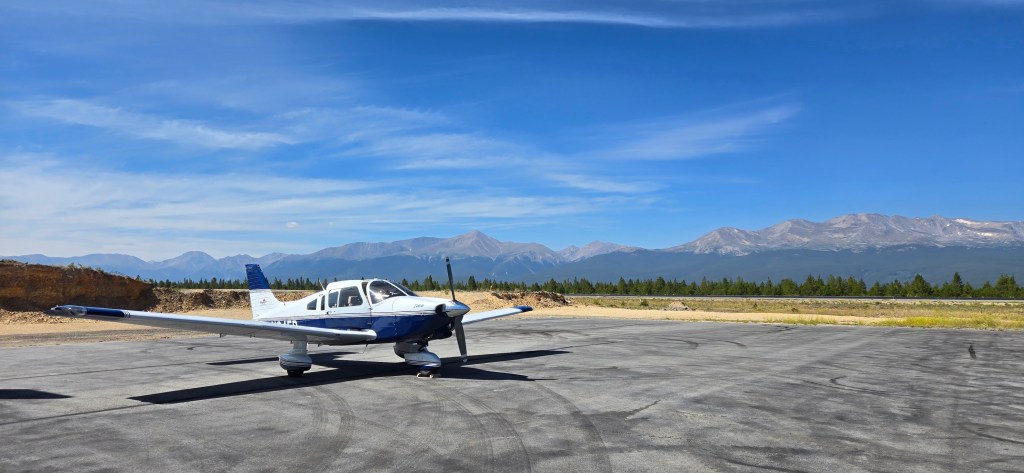
Since earning my wings two years ago, I have mostly stayed within the flat, familiar landscapes of the Midwest. While I often gazed at the mountains in awe from the ground, the idea of flying over them always felt a little daunting. But recently, I decided it was time to push my limits and take on the challenge of mountain flying. My destination? The towering Rockies of Denver, Colorado.
Preparing for the Rockies
Flying in the mountains is no small feat. The air is thinner at higher altitudes, which impacts everything from engine performance to how an airplane handles. To ensure I was prepared, I reached out to the Colorado Pilot Association. They put me in touch with Paul Sciera, a certified flight instructor (CFI) who specializes in mountain flying. His experience would be invaluable as I ventured into this new terrain.
Paul suggested a one-day ground school followed by a day of flying, but to maximize our time, we did the ground school online before I even arrived in Denver. Over the course of three hours, we discussed everything from navigating mountain valleys to managing the tricky air currents that flow over the peaks. Paul explained how the thinner air at high altitudes affects engine power, requiring careful control, especially during takeoff and landing. I had been reading up on these topics for months, but hearing the details from an expert made a world of difference.
Flying West: A New Horizon
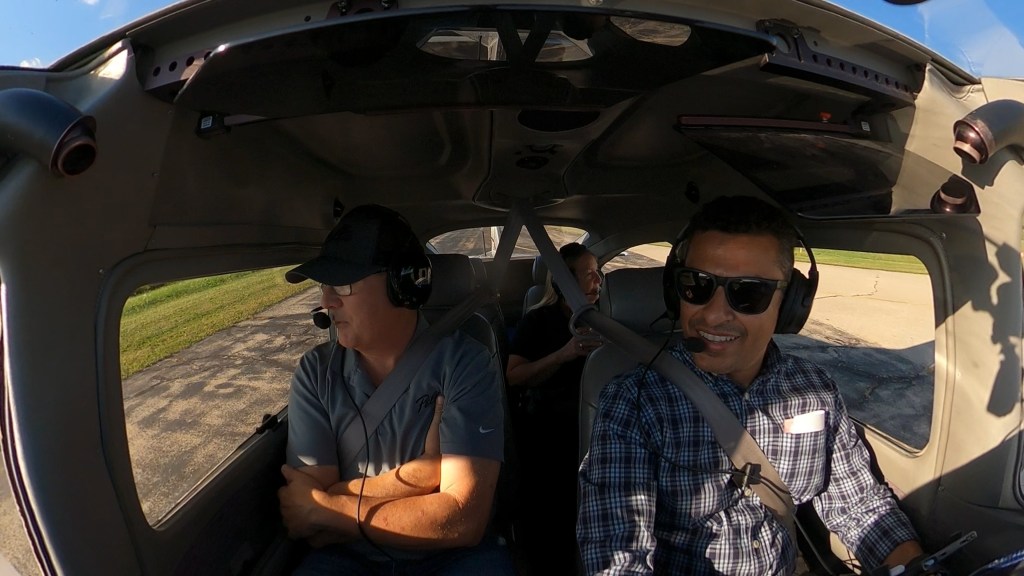
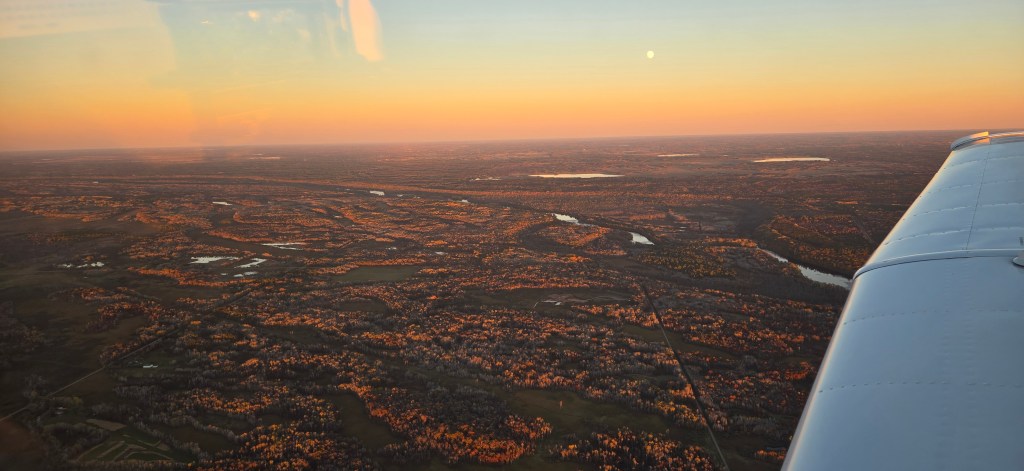
Saturday afternoon, I departed from Crystal, Minnesota, heading west toward Denver. My first stop was Ogallala, Nebraska—an airport with a name that’s as much fun to say as it is to visit. After a quick fuel stop, I took to the skies again, landing at Centennial Airport in Denver just after 9 p.m. Paul was already there, having tracked my flight and even listened in on the radio as I made my final approach. His dedication set the tone for what would be an unforgettable experience.
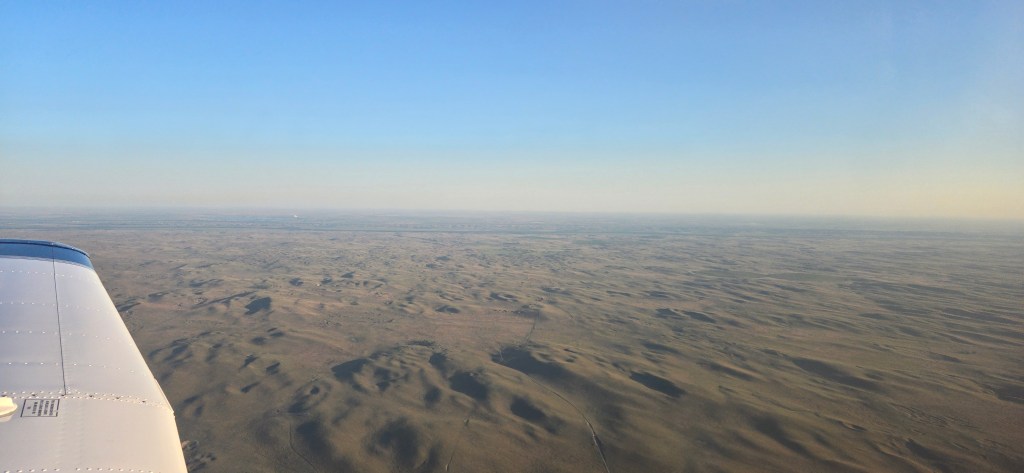
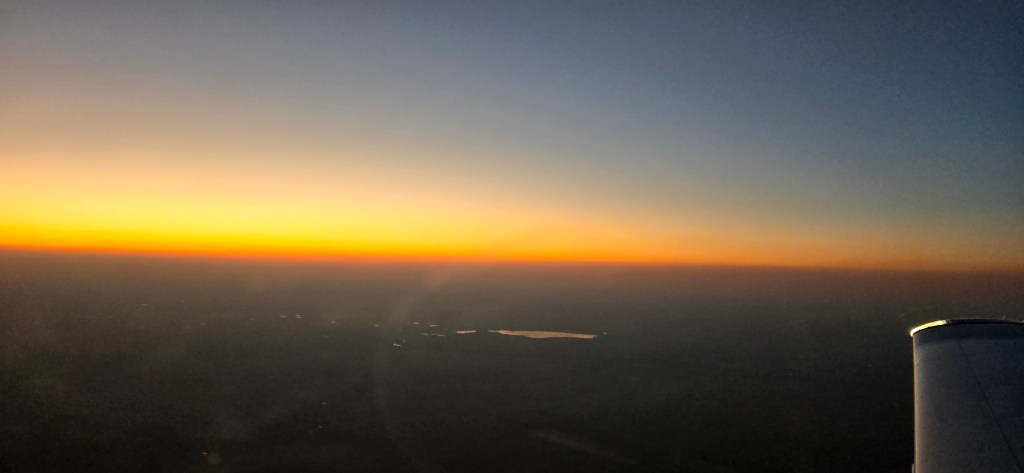
After securing the plane, we grabbed dinner and talked through the plan for the next morning. We’d take off at sunrise to avoid the midday turbulence that’s common around the mountains. The goal was simple: experience the majesty of mountain flying while staying ahead of any rough weather.
Into the Rockies: A Flight of Discovery
At 7 a.m. the next day, we were wheels up, the rising sun painting the Rockies in shades of gold and pink. As we climbed higher, the view was both awe-inspiring and humbling. Vast valleys opened up beneath us, and the peaks seemed to stretch endlessly into the sky. But this wasn’t just a sightseeing tour—mountain flying demands constant focus. The wind flowing over the mountains creates updrafts and downdrafts that can make the airplane feel like a small boat in a choppy sea.
Our first stop was McElroy Field, a small, tucked-away airport nestled in the mountains. Landing here was a test of precision—there’s a sharp turn around a mountain, meaning you don’t even see the runway until the last moment. I had to stay sharp, keeping a close eye on the instruments and scanning the area for any other traffic. It’s a non-towered airport, meaning there’s no control tower to coordinate landings and takeoffs, so communication with other pilots is key.
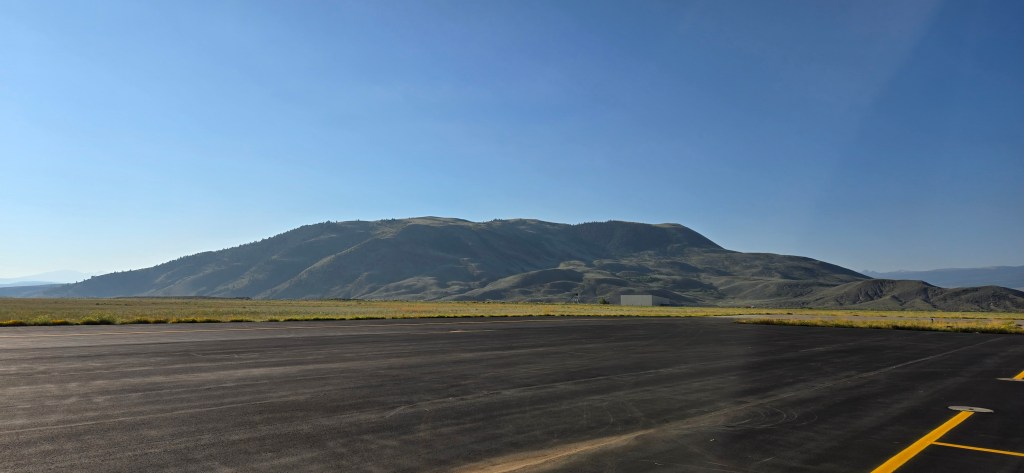
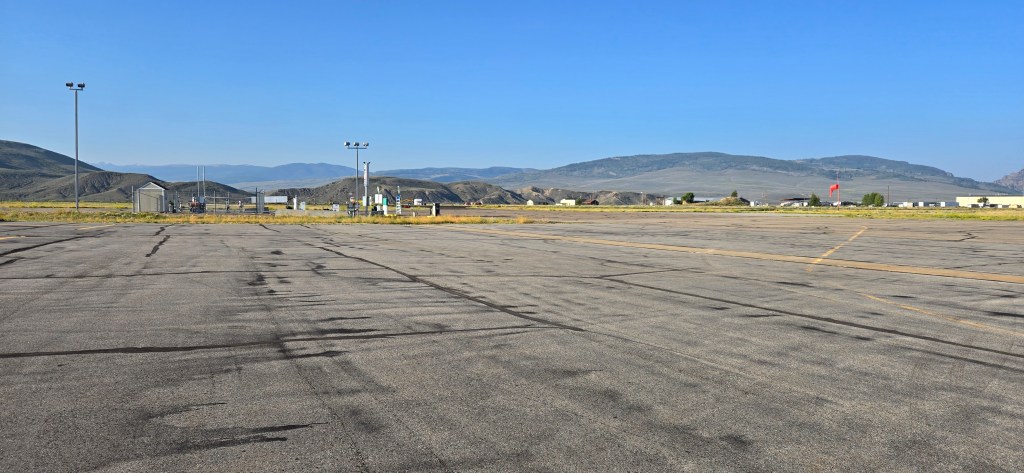
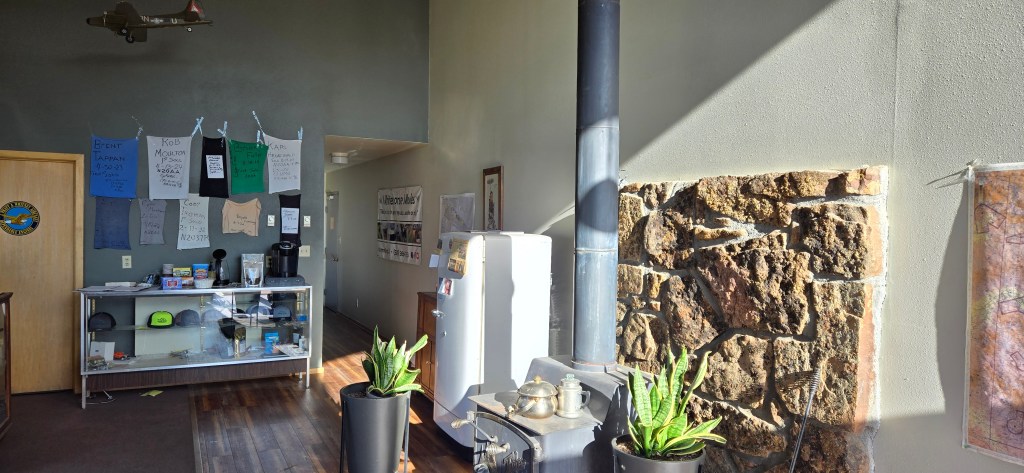
From there, we flew to Glenwood Springs, another non-towered airport with its own quirks. The runway here is set up so that you have to take off in the opposite direction of landing, threading your way through the mountainous terrain.

Aspen and Leadville: Fame and Challenge
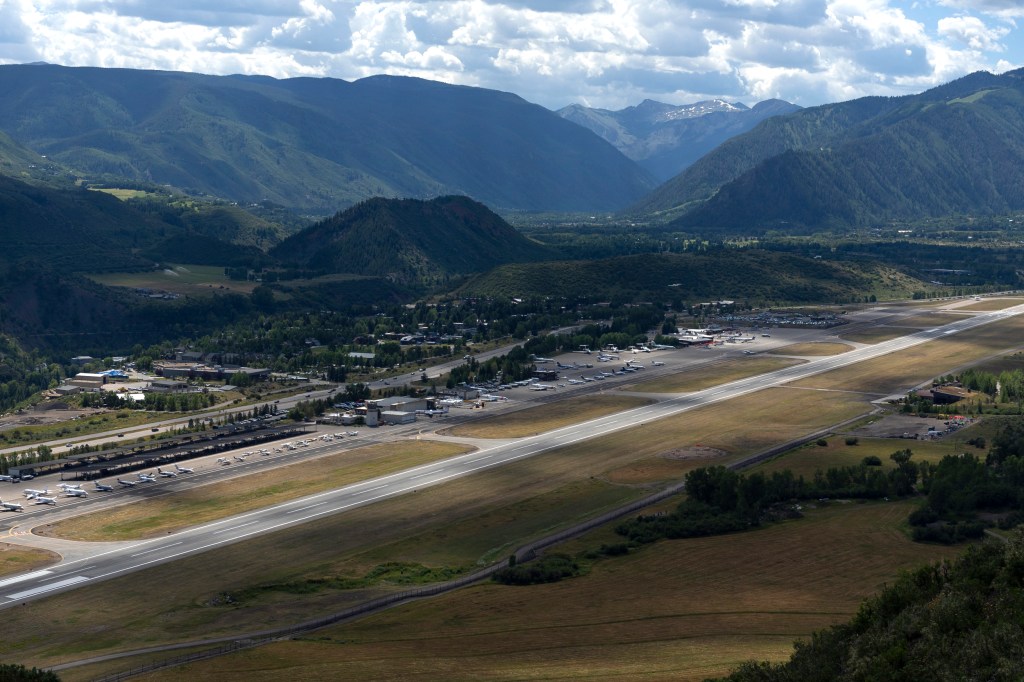
Our next stop was Aspen, an airport famous not just for its altitude but for its visitors—the rich and famous often fly in on their private jets. The approach to Aspen is another test of skill. You have to fly around the mountains and line up perfectly with the runway, all while coordinating with the tower to ensure safe spacing between flights. As we taxied, I couldn’t help but notice the rows of sleek private jets parked along the tarmac, a sharp contrast to the ruggedness of the Rockies surrounding us.

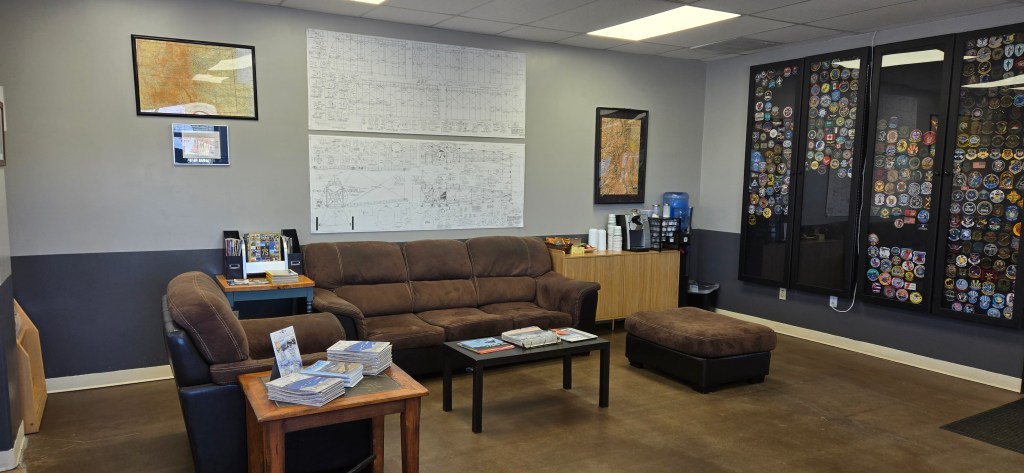
Finally, we flew to Leadville, the highest elevation airport in North America at almost 10,000 feet above sea level. Flying here really put everything I’d learned to the test. The thin air means your engine doesn’t produce as much power as it would at lower altitudes, so every takeoff and landing requires careful power management. Even something as simple as getting off the ground becomes a challenge at this altitude, but with Paul’s guidance, we managed it smoothly. After landing, I was thrilled to receive a certificate highlighting my accomplishment of landing at the highest airport in the U.S. The FBO (Fixed Base Operator) also had a wide array of souvenirs to commemorate the occasion, including t-shirts, mugs, keychains, and more. It was a perfect way to mark this memorable achievement.
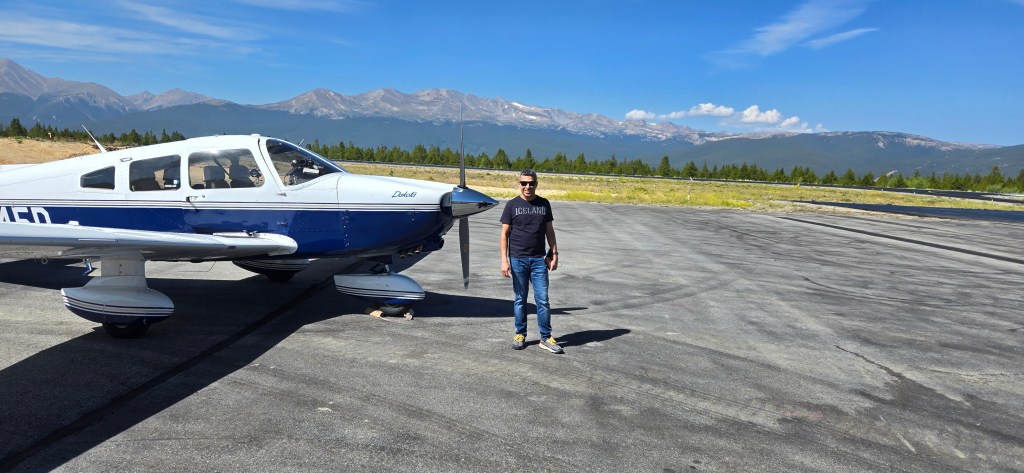

The Journey Home
As we headed back to Centennial Airport, the clock was nearing 1 p.m., and the turbulence was starting to pick up—just as Paul had warned. The winds funneling through the mountains created a bumpy ride, reminding me again why we’d aimed for an early start. Still, the experience of flying among the peaks was exhilarating. There’s a unique thrill in feeling both small and powerful at the same time, soaring over landscapes that challenge and inspire.
Back at Centennial, we debriefed over lunch. Paul offered feedback on how I could improve for future flights, emphasizing the importance of always being prepared for the unpredictable nature of mountain weather.
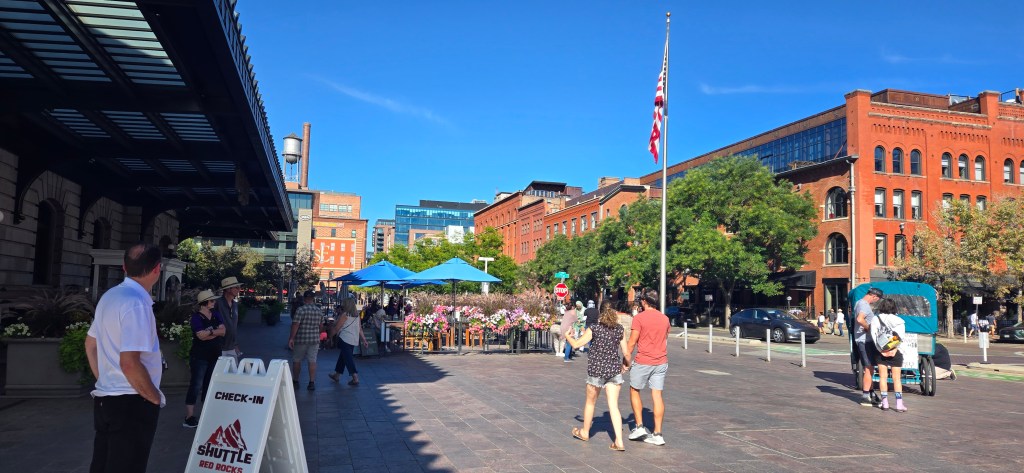
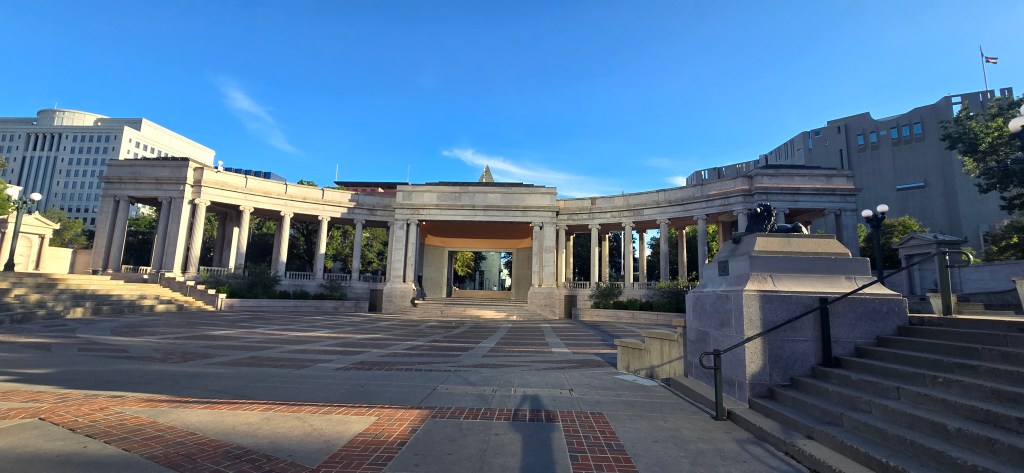
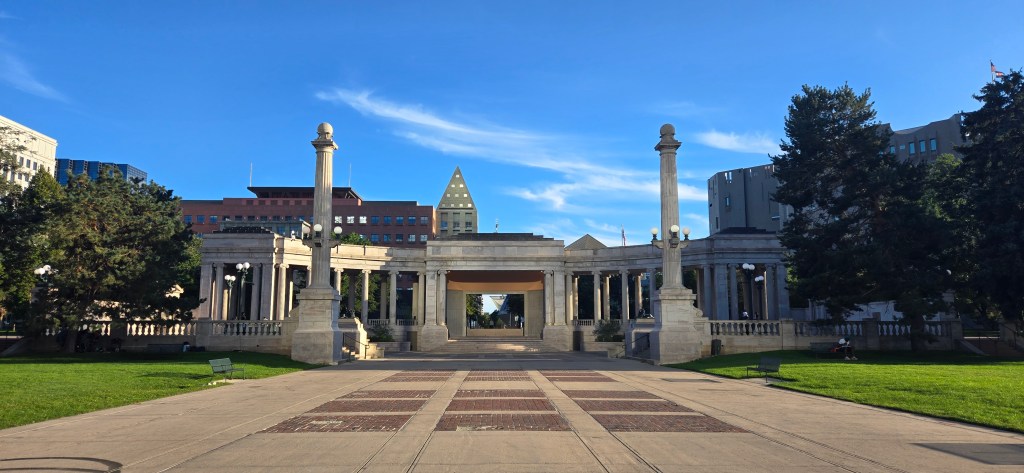
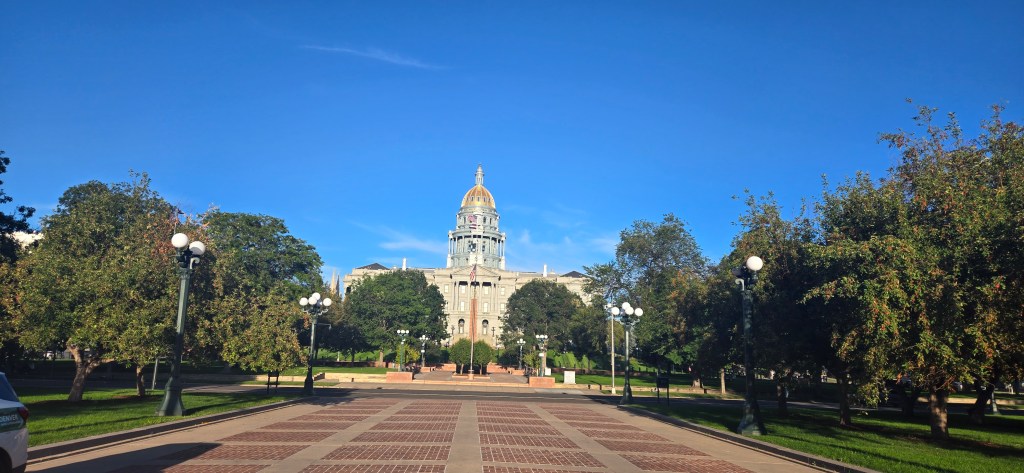
The rest of the day was spent exploring downtown Denver—a nice way to unwind after such an intense morning of flying.
Final Thoughts
The following day, I set off for Crystal, Minnesota. With favorable winds, I was able to make the trip non-stop, a fitting end to a journey filled with new challenges and lessons.
Looking back, this mountain flying adventure was one of the most rewarding experiences I’ve had as a pilot. The Rockies present a whole new set of challenges, but they also offer breathtaking views and a sense of accomplishment that’s hard to match. For any pilot considering mountain flying, I highly recommend taking a specialized course. The knowledge you gain could make all the difference when you’re navigating the peaks.


Leave a comment